Water safety does not fail with a siren. It fails quietly. A pinhole in a copper line, a tired rubber washer in a decades-old valve, a submerged hose in a fertilizer bucket during a pressure dip. Cross-contamination sneaks in through these tiny, ordinary moments. I have walked into houses where the tap water smelled faintly like gasoline because an old garage heater sat downstream of a mystery tee, and I have opened wall cavities to find galvanized lines that looked clean outside but were furred and pitted inside like a stalled arterial system. Repipe Plumbing, done with discipline and an eye for backflow controls, is how you shut the door on that silent invasion.
The real meaning of cross-contamination at home
Most homeowners hear “cross-contamination” and picture a cutting board with raw chicken. In plumbing, the concept is similar, the stakes higher. Cross-contamination is the unwanted mingling of potable water and non-potable substances, whether microbes or chemicals. Sometimes the mechanism is obvious, like a garden hose left in a pool while the main pressure drops. Often it hides in the infrastructure: a corroded branch line, a tee that backfeeds a hose bib and a laundry sink, a sprinkler system connected without a proper backflow assembly. Under normal pressure the clean water pushes outward. During a pressure reversal, the dirty side wins.
The two classic villains are backpressure and backsiphonage. Backpressure happens when a downstream system exceeds the supply pressure. Think a boiler or carbonated beverage machine that pushes hard enough to send its water back upstream. Backsiphonage is the pressure dip scenario, common during firefighting flows, main breaks, or heavy demand. The building’s internal water seeks equilibrium, and anything open to it gets dragged along.
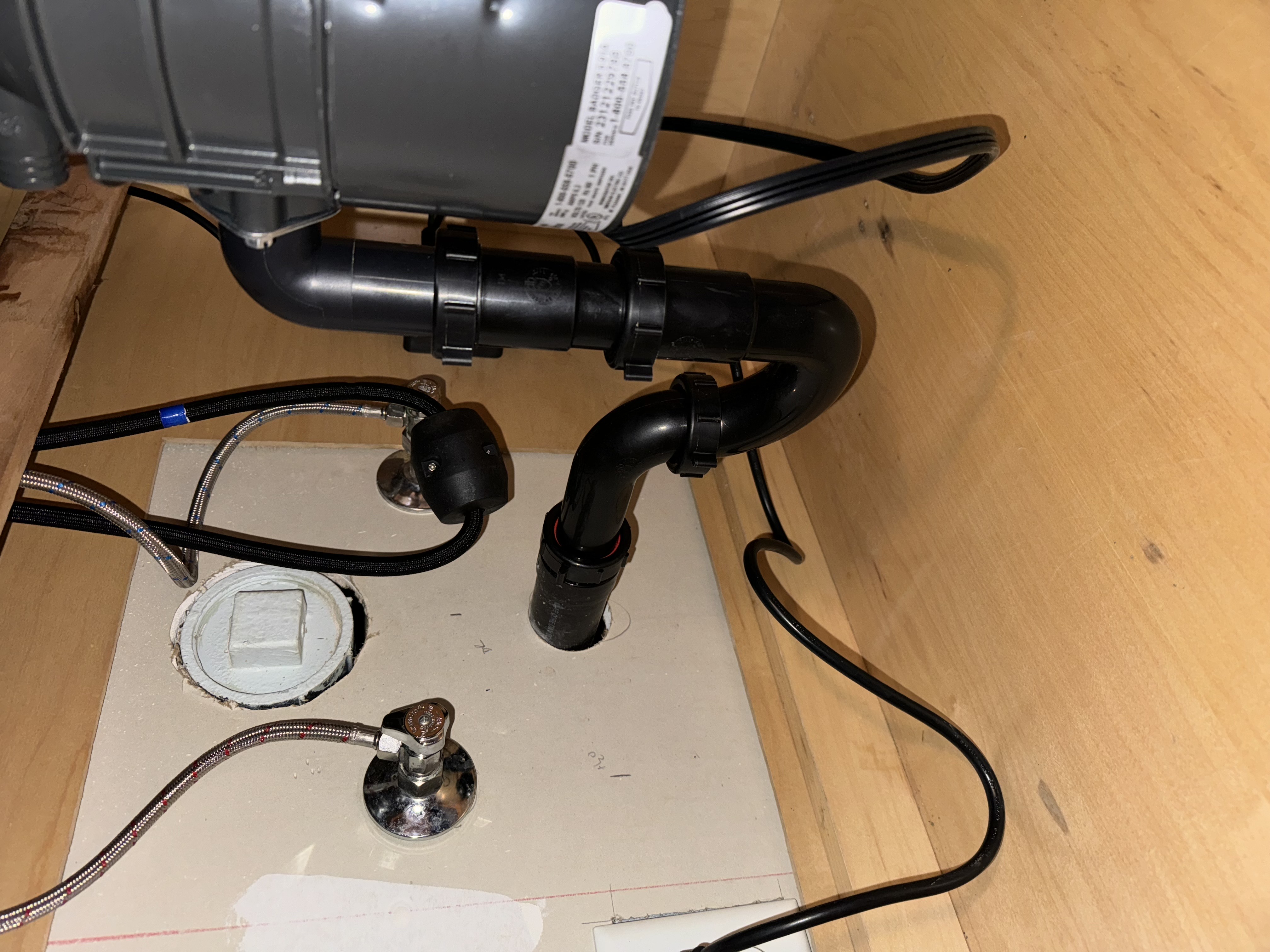
When I audit an older home, I don’t just run taps. I watch the pressure gauge while a neighbor’s irrigation kicks on, and I check hose bibs for vacuum breakers that have never been installed or were swapped out ten years ago with a pretty but unsafe spigot. Cross-contamination is a systems problem, and the system is only as trustworthy as its weakest fitting.
Why repiping changes the game
Repipe Plumbing is not just a face-lift. It is a reset of hydraulics, materials, and protection points. You remove the unknowns baked in by decades of patch repairs. You reestablish a single, coherent standard for pipe type, fitting quality, and backflow hardware. You reroute odd legacy loops that used to make sense for oil-fired heaters and now do nothing but create dead legs and stagnant pockets.
There are four big reasons repiping directly reduces cross-contamination risk.
First, you eliminate corrosion sites. Old galvanized steel leaches rust, and pitted copper can harbor biofilms. These rough internal surfaces do not just taste metallic, they also house bacteria. A smooth-bore PEX or new copper system, with proper flushing, starts clean and stays cleaner.
Second, you normalize pressure across the house. Mismatched pipe diameters and crusted elbows create weird pressure drops. Those weird zones invite backsiphonage. A repipe lets you resize branches, eliminate choke points, and stabilize static and dynamic pressures.
Third, you bring backflow prevention into compliance. Every hose bib gets an atmospheric vacuum breaker. The irrigation system gets a testable reduced pressure principle assembly or a pressure vacuum breaker, as local code dictates. Boilers and hydronic loops gain double checks or RPs where necessary. You stop relying on luck.
Fourth, you erase illicit or forgotten cross-connections. I have found laundry standpipes hard-tied into utility sinks without an air gap, soft drink machines teed from janitorial mop sinks, and recirculation pumps pulling past check valves installed backward. Tear it out, map it right, rebuild clean.
Where contamination slips in, and how repiping shuts it down
Picture a typical mid-century house with layers of modifications. The front hose bib comes off a galvanized trunk that feeds a crawlspace run of copper patched with push-fit couplings, leading to CPVC under a remodeled bath. The irrigation contractor tied into the line after the water softener, before the water heater, and no one remembers if there is a backflow assembly behind the hedges. During summer, the street pressure dips 10 psi at dusk when sprinklers across the block fire. Meanwhile, the homeowner loves to mix plant food in a five-gallon pail with a submerged hose.
That chain of decisions is a recipe for backsiphonage. Repiping is how you remove every weak link. You start at the meter or main shutoff and rebuild forward. All hose connections get permanent vacuum breakers. The irrigation line gets a dedicated, valved tee and a code-compliant backflow assembly set at the proper height. Any hose-fill practices in the garage get replaced with a faucet that has an integral vacuum breaker, and you train the homeowner to keep air gaps. You rebuild the bathroom branches in a single material with proper supports and minimal fittings. No more Frankenstein.
Materials and their quirks: choose with eyes open
I have no religious loyalty to copper, PEX, or CPVC. Each has failure modes that matter for contamination risk.
Copper shines for pressure stability and temperature tolerance. It also pits if your water has aggressive chemistry, especially in well systems with low hardness and high dissolved oxygen. Pitting creates micro-cavities and pinholes that invite slow leaks and microbial niches. I specify Type L copper when the chemistry supports it, I keep velocity below about 5 feet per second at taps to reduce erosion, and I use dielectric unions where copper meets steel.
PEX brings flexibility and fewer fittings. Fewer elbows mean fewer turbulence points. It is resilient in freeze-thaw and quiet during flow changes. The risk is permeation. Certain fuel vapors can migrate through PEX walls. If you have an attached garage with stored solvents, or the line crosses contaminated soil, you need barrier PEX or a protective conduit. And you plan your routing to stay away from chemical storage and soil vapor zones.
CPVC resists corrosion and does fine with chlorinated water, but it is brittle with age and hates high heat. I rarely run CPVC near mechanical rooms or attic runs that swing hot. Brittle fracture leads to sudden leaks which, during a pressure event, can act like a suction straw. When CPVC is used, I insist on proper solvent welding and cure times, plus expansion loops to reduce stress.
Galvanized and polybutylene do not belong in a safe modern system. The former is a rust farm, the latter a lawsuit relic. A true repipe aims to remove both completely. Mixing legacy sections with new in a scattered way undermines the whole effort.
Backflow protection is not optional hardware, it is the spine
A clean, new piping network still needs defensive structure. This is where repiping shows its discipline.
At the simplest end, vacuum breakers keep atmospheric air between your drinking water and anything attached to a hose. There are screw-on hose bib vacuum breakers that are one-way and tamper-resistant, and there are integral models built into the faucet body. I prefer integral when possible because no one “temporarily” removes them to fill a stock tank faster.
For irrigation, local codes split between pressure vacuum breakers and reduced pressure principle assemblies. A PVB protects against backsiphonage if installed above all downstream emitters, typically a foot above the highest sprinkler head. An RP assembly guards against both backpressure and backsiphonage and handles fertilizer injectors or uneven terrain that defeats elevation requirements. The RP costs more and needs annual testing, but on their first cross-connection scare, clients stop questioning the extra few hundred dollars.
Boilers and hydronic systems get special attention. Any system with treatment chemicals or glycol is inherently non-potable. A double check valve assembly is the common choice, but in higher risk settings I specify an RP. I also add a proper air gap on make-up water funnels so that a failed check does not silently connect the two worlds.
Appliances with carbonators, mop sinks with chemical dispensers, even whole-house humidifiers, each evolves its own cross-connection risks. During a repipe, we tag them one by one and choose the right assembly, not a one-size-fits-none approach.
The pressure story: stability prevents suction
Cross-contamination loves a pressure dip. Municipal systems try to keep pressure in the 50 to 80 psi range, but firefighting or main breaks pull it down. Inside the house, water heaters, long thin branches, and partially closed stop valves can create micro-dips as well. Repiping gives you a chance to reset the hydraulics.
I size mains and branches to reduce friction loss. That may mean a 1-inch main trunk feeding 3/4-inch branches and 1/2-inch drops, rather than the random patchwork you commonly find. I avoid unnecessary elbows and tees. Where pressure regulators are present, I choose models with stainless internals and add a gauge before and after, so you can see drift over years rather than guess. If a home has frequent pressure swings, a small expansion tank and, in some cities, a pressure-boosting system with a smart pump makes sense. The goal is not absolute maximum pressure, but a consistent envelope that avoids siphon conditions.
Dead legs, biofilms, and the myth of “clean enough”
The nastiest water samples I have pulled came from seldom-used bar sinks and guest showers. Those lines were pristine once, then sat stagnant. Microbes like stagnation. Biofilms form on pipe walls inside dead legs, and when pressure shifts, those films slough off. Repiping is your chance to erase dead legs and straighten runs so every branch sees regular use or is valved and purged.
I design loops that encourage turnover. In some homes, a hot water recirculation line makes sense for comfort and hygiene, but only with check valves and terminations that avoid pulling cold side contaminants into the hot loop. Every sink gets angle stops you can trust, so periodic flushing is manageable. And I coach homeowners to open rarely used taps for a minute once a week. That tiny habit does more for quality than any filter.
The repipe process that safeguards water, step by step
On paper, a repipe looks like swapping old for new. In practice, the order and the cleanliness matter.
We begin with a map, not a demolition hammer. I survey the whole system, sketch it, and take pressure readings at several fixtures at different times of day. I test for residual chlorine and sometimes pull a quick heterotrophic plate count if there is a history of odor. The map shows where to tie in, where to isolate, and where to install backflow assemblies.
Next, we plan phases. If the building must stay occupied, we isolate zones and run temporary bypasses. The point is to never leave a partially decommissioned, open-ended line that can create a cross-connection while we sleep. Every day ends with the system in a stable state.
During rough-in, we keep cuts clean. I deburr copper religiously, ream PEX to full diameter, and wipe solvent joints before they cure so the excess does not flake inward later. I label new branches as they go and cap them pressure-tight. If an old irrigation tie-in surfaces in a weird location, we do not promise to “get it later.” We isolate it that day, then reroute it so the final backflow assembly protects it correctly.
At the end, we do not simply turn the valve and walk away. We power flush the new lines. On larger houses, I flush in sections, starting with mains, then branches, cold first, hot second, until the water runs clear and the turbidity drops. I disinfect with a measured chlorine dose where allowed, hold for the recommended contact time, then neutralize and flush again. Finally, we sample. Municipal testing may not be required for a single-family home, but I like data. Even a simple residual chlorine and temperature check tells you if the system is ready.
Edge cases that trip up even good plumbers
A few recurring traps deserve a spotlight.
Hose bibs in frost zones often use freeze-proof sillcocks. If you add a hose bib vacuum breaker to a freeze-proof unit and leave it pressurized with a hose attached, you can trap water in the barrel, which can split the valve during a freeze. The fix is not to skip the vacuum breaker, but to educate the homeowner to disconnect hoses before freezing nights and to leave the bib closed and drained.
Irrigation zones with drip emitters sit far from the PVB and often lower than it, especially on sloped lots. If the installation cannot keep the PVB above the highest downstream emitter, a PVB is not the right device. Use an RP and set it on a pad with adequate drainage for relief valve discharge. Also, keep fertilizer injectors downstream of the backflow assembly with a clear service loop so they can never be tied in before the protection point during a rushed repair.
Water softeners and filter bypasses are a classic hidden cross-connection. I have seen installers create a U-shaped bypass with two ball valves and leave them both half open. During a pressure blip, that loop provides a perfect path. A proper bypass has three valves and a distinct off position that is obvious and lockable if possible.
Boiler make-up lines sometimes use a saddle valve off a laundry line. A saddle valve is not a controlled connection and never a substitute for a proper backflow preventer. During repipe, we remove any saddle valve we find and repipe to a proper tee, full-ported valve, and backflow assembly with an air gap or RP as needed.
Garage utility sinks become chemistry labs. People mix acids for etching, bleach for cleaning, salts for water softening. The faucet for that sink needs an integral vacuum breaker. If the sink uses a pre-rinse spray with a flexible hose, make sure the spray head sits above the flood rim when docked. If it can fall into the basin, the vacuum breaker must be at the highest point and rated for continuous pressure or, better yet, keep the hose physically short.
Codes matter, but judgment keeps you safe
Local code books will tell you the minimum backflow device by hazard class. They do not see your neighbor’s DIY fertilizer injector or the fuel smell that wafts from the garage where the PEX runs. That is where professional judgment, the human part of Repipe Plumbing, earns its keep.
On one project, a hillside property with an elaborate irrigation setup, the code allowed a PVB. The gardeners had a habit of attaching a venturi fertilizer injector upstream of the PVB when it clogged downstream. They did not see the hazard. We installed an RP, added a cage, and painted a bright hazard line from the main to the assembly, then to the zone valves. I walked the gardeners through why the PVB was wrong for their habits. The RP we installed discharged once during a city pressure drop. It did its job. The brown patch on the concrete pad was cheap compared with what could have ended up in their kitchen tap.
Maintenance after the repipe: keep the guard up
A repipe buys you a clean slate. It does not buy immunity. Backflow assemblies need annual tests in many jurisdictions, and even where not required, a quick functional check saves headaches. Hose bib vacuum breakers can gum up with debris. Irrigation assemblies need their shutoff valves exercised. Pressure regulators drift.
I leave clients with a one-page schedule, not a binder. It Click here! fits on the fridge and reads like a trip plan rather than an obligation list. Twice a year, operate every shutoff. Once a month, run seldom-used taps for a minute. Before the first freeze, disconnect hoses. Each spring, have the backflow assemblies tested. Every few years, hook a gauge to a hose bib to read static pressure and watch it during usage. If you see 90 psi or pressure hunting, call for a regulator tune or replacement.
Good habits pair with good infrastructure. The system delivers safety, the routine keeps it.
Where repiping intersects with water quality beyond cross-connection
While we are inside walls, we can solve other quality problems that masquerade as contamination. Sediment in older mains makes new valves chatter. Mineral scale in water heaters sheds flakes. Repiping lets you add a whole-house sediment filter with a flush valve at the point of entry, upstream of sensitive appliances. You can position a softener or conditioner after the backflow-protected irrigation tee, so you do not waste softened water outdoors. You can install a dedicated, unsoftened kitchen cold line for better taste. These choices reduce the temptation for homeowners to improvise strange hookups later, which is how cross-connections creep back.
The cost question, answered with stakes instead of slogans
A full-house repipe for a 2,000 square foot home in my region ranges from the mid four figures to the low five figures, depending on access, finish repairs, and material. Clients often ask whether they can nibble at the problem: fix the worst leaks, change a few valves, leave the rest. Sometimes that buys time, but it does not reduce contamination risk in a meaningful way. If the piping network is a patchwork quilt and you care about water safety, a comprehensive repipe paired with proper backflow hardware is the move. Think about the cost in relation to your water supply, your family’s health, and the value of a predictable system you do not have to babysit.
One homeowner I worked with tried the nibble approach for years. After the third pinhole leak and a baffling episode where the tap water smelled like vinyl for two days, they decided on a repipe. We replaced galvanized and aging copper with PEX-AL-PEX in logical loops, installed a pressure regulator with gauges, added an RP for the irrigation, and vacuum breakers at every hose point. Two summers later a city main break sucked mud into the street’s lines. Their house went quiet. The RP dripped while the city worked. Inside, the water stayed clean. That is the value you can feel.
A practical roadmap for homeowners planning a repipe
If you plan to embark on Repipe Plumbing with cross-contamination in mind, focus on a few non-negotiables.
- Ask your contractor to identify every potential cross-connection on a walk-through and to mark them on a simple sketch. If they cannot explain each backflow device choice in plain language, keep looking. Choose materials based on your water chemistry and site conditions, not habit. Request a small water analysis if you are on a well or have a history of pinholes or odors. Demand a flushing and disinfection plan in writing. A clean install deserves a clean start. Include how long each segment will be flushed and how they will verify results. Insist on testable backflow assemblies where appropriate and schedule the first annual test before the job wraps. Build maintenance into the handoff, not as an afterthought. Map and label shutoffs and provide a one-page operating guide for the house. Make it easy for future you to keep the system safe.
The bigger picture: confidence on tap
Safe water should feel unremarkable. You open a tap and trust it. Repiping is not glamorous. It means holes in drywall and a few days of odd schedules. But it is one of the rare projects where the payoff is invisible and constant. The house stops playing tricks, hoses run without worry, irrigation feeds the yard without threatening the kitchen, and pressure holds steady whether the dishwasher cycles or the fire truck howls past.
Cross-contamination thrives on assumptions and improvisation. Repipe Plumbing replaces both with clarity. Thoughtful materials, honest hydraulics, and backflow protection where it belongs, all stitched together by people who have chased the weird smells, bled the stubborn lines, and learned how systems actually fail. Do the work once, with that mindset, and you will not think about contamination again. You will be too busy enjoying water that simply behaves.
Business Name: Principled Plumbing LLC Address: Oregon City, OR 97045 About Business: Principled Plumbing: Honest Plumbing Done Right, Since 2024 Serving Clackamas, Multnomah, Washington, Marion, and Yamhill counties since 2024, Principled Plumbing installs and repairs water heaters (tank & tankless), fixes pipes/leaks/drains (including trenchless sewer), and installs fixtures/appliances. We support remodels, new construction, sump pumps, and filtration systems. Emergency plumbing available—fast, honest, and code-compliant. Trust us for upfront pricing and expert plumbing service every time! Website: https://principledplumbing.com/ Phone: (503) 919-7243